



What Are Stem Cells (and Are They Safe)?
Breaking Down the Science for Real Humans
Let’s be real, “stem cells” in skincare sound high-tech and possibly suspicious. Are they magic? Snake oil? Maybe a bit of both? You’ve probably seen the term on a serum label and wondered what exactly you’re putting on your face. This post will explain what stem cells are, why they’re in skincare, and whether you should feel good about using them, without needing a biology degree to understand it.
So, What Are Stem Cells?
Stem cells are like your body’s internal repair crew. They’re special cells that haven’t yet decided what they want to be when they grow up. They can divide and turn into other types of cells: skin, muscle, nerve, whatever your body needs at the time. In medicine, human stem cells are used to regenerate damaged tissue. That’s real science.
But in skincare, we’re not dealing with human stem cells. Most cosmetic products use plant-derived stem cells. These don’t integrate into your skin or “replace” your cells. Instead, they’re usually extracts taken from plant stem cells, compounds that are rich in antioxidants, amino acids, and growth factors, which may help protect and support your skin (Trehan et al., 2017).
For example, extracts from Uttwiler Spätlauber, a rare Swiss apple, have shown promise in reducing the appearance of wrinkles and improving skin vitality (Schmid et al., 2008). Creams containing apple stem cell extract led to a visible reduction in fine lines in test subjects over four weeks (Miastkowska & Sikora, 2018).
So no, you’re not applying baby cells or futuristic clone goo to your cheeks, just highly concentrated, plant-based ingredients with scientifically supported benefits.
Are They Actually Safe?
Yes, and here’s why. The stem cell ingredients in skincare aren’t live cells. They’re extracts taken from the culture medium where plant stem cells were grown. That medium contains protective molecules like polyphenols, flavonoids, and antioxidants. It won’t reprogram your DNA, but it may help shield your skin from environmental damage.
A review in Cosmetics outlines how these extracts can help reduce oxidative stress and inflammation: two key contributors to skin aging. The same paper noted no adverse effects from topical use in available studies (Miastkowska & Sikora, 2018).
Several clinical studies (Milani, 2017; Korkina, 2024) have shown that plant stem cell extracts can improve skin hydration, support the skin barrier, and enhance elasticity, particularly in aging skin. These ingredients have been well-tolerated in trials, with no significant irritation or adverse effects reported.
So, if your serum includes “stem cells,” don’t panic. Just make sure it’s from a reputable brand, and do a patch test if your skin is sensitive. You’re not dabbling in mad science; you’re using plant extracts with peer-reviewed backing.
Do Stem Cells Actually Do Anything for Skin?
Stem cell extracts aren’t miracle workers, but they’re not fluff either. Here’s what they can help with:
- Antioxidant Defense: Stem cell extracts are loaded with antioxidants that fight off environmental stressors like pollution, UV rays, and blue light. These stressors create free radicals that damage skin cells and speed up aging. According to Miastkowska and Sikora (2018), antioxidants from plant stem cells can neutralize free radicals and slow down collagen breakdown.
- Boosting Skin Cell Performance: Some botanical stem cells contain signaling molecules that stimulate your skin’s own regeneration process. These compounds can increase fibroblast activity, promoting better elasticity and hydration in the skin.
- Anti-Inflammatory Support: If your skin tends to freak out: redness, irritation, breakouts; stem cell extracts may offer relief. Aggarwal et al. (2020) describe how certain plant stem cell ingredients reduce inflammatory markers in skin cells, helping to calm and restore the skin’s protective barrier.
Bottom Line: You’re Safe (and Your Skin Might Thank You)
Stem cells in skincare aren’t magic bullets, but they aren’t fake science either. They bring real, proven benefits to the table, especially if you’re aiming for long-term skin health and resilience. Think of them as one tool in your anti-aging toolbox, especially when paired with things like SPF, hydration, and a healthy dose of sleep.
Just remember: no cream will replace your skin cells with new ones overnight. But with the right botanical extracts, your skincare might help your existing cells function better and age a little more gracefully.
So yes, you can feel good about using that fancy serum, no bioethics committee required.
Now, what happens when you combine stem cell skincare with other advanced treatments? Let’s take a look at how LED therapy might amplify their effects.
Pairing with LED Therapy: How Red, Yellow, Near-Infrared (NIR) Light, and Stem Cells May Work in Sync
You’ve probably heard the buzz around LED therapy and stem cells in skincare, but what happens when you bring them together? Think of it like a dream team: LED light therapy sets the stage, and stem cells get to work under the spotlight. Let’s break down how red, yellow, and NIR light, and stem cell skincare might just be the future of glow-ups.
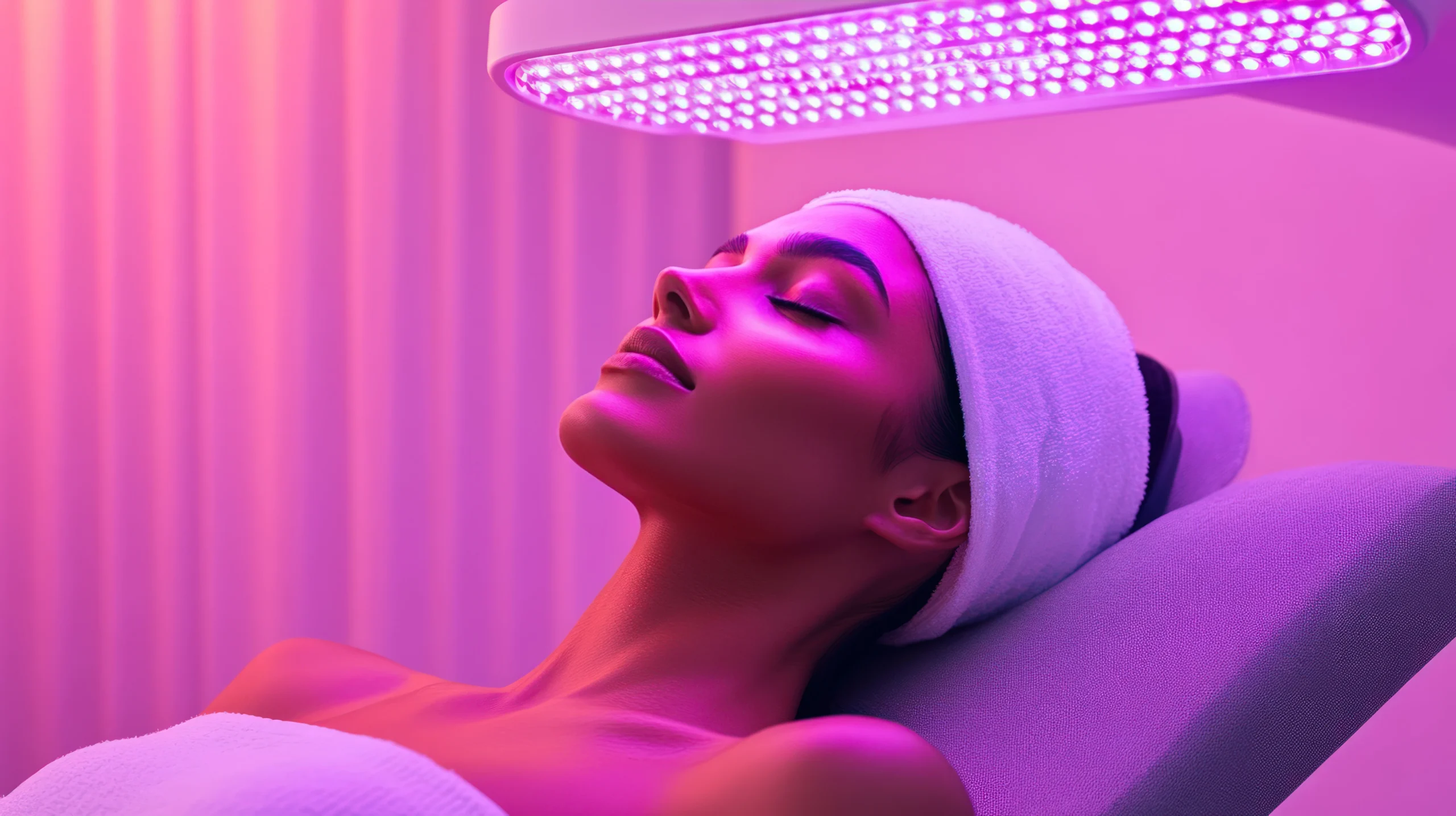
Red Light: Your Skin’s Wake-Up Call
Red light therapy isn’t just a social media trend; it has solid scientific backing. Red light, typically in the 630–660 nm range, penetrates the skin and stimulates cellular activity. Specifically, it energizes mitochondria, the “powerhouses” of your cells, increasing ATP (adenosine triphosphate) production. This boost in cellular energy helps skin cells repair themselves more efficiently, stimulates collagen production, and supports a more youthful appearance (Avci et al., 2013).
Now, bring stem cell-based skincare into the picture. These products, often derived from plant cells, are rich in growth factors that promote skin regeneration. When you apply a stem cell serum and follow up with red light therapy, you’re combining two regenerative approaches: one topical and one energetic. Red light may enhance the uptake of these active compounds by increasing blood flow and improving skin metabolism (Avci et al., 2013).
So yes, your serum just got a performance boost. Think of it as pairing coffee with a cold shower for your skin.
Yellow Light: The Calm, Cool Multitasker
If red light is high energy, yellow light is gentle support. Operating around 570–590 nm, yellow light therapy is known to reduce redness, calm sensitive or irritated skin, and improve overall tone. It’s especially helpful for people dealing with rosacea, inflammation, or post-procedure healing.
A review on LED therapy in dermatology highlights yellow light’s ability to promote lymphatic drainage and reduce inflammation, benefits that are ideal when you’re using active treatments like peptides or stem cell-based serums. By calming the skin, yellow light creates a more receptive environment for growth factors to work effectively. This leads to better absorption, fewer side effects, and enhanced results.
Near-Infrared (NIR): A Deeper Dive for Long-Term Support
Near-infrared (NIR) light, typically in the 800–900 nm range, penetrates deeper into the dermis than either red or yellow light. It reaches the layers where collagen fibers are formed and where much of the skin’s long-term structural support is maintained.
Studies have shown that NIR light can stimulate fibroblasts, the cells responsible for collagen production, and enhance tissue repair and wound healing (Gupta et al., 2014). This makes it especially valuable for supporting elasticity, firmness, and reducing signs of aging over time.
When combined with a regenerative product like a stem cell serum, NIR therapy can act like a delivery partner, helping beneficial compounds work in the deeper layers of the skin. There’s also growing interest in pairing energy-based treatments like red and NIR light with regenerative skincare to enhance their effects, a direction supported by the evolving science of bio-enhanced beauty.
Timing, Order, and Real-World Use
You might be wondering: “How do I use these together without turning my routine into a NASA mission?” Here’s the short answer: cleanse, apply your stem cell product, then go in with your LED device.
Using light therapy after applying your serum may increase skin permeability and help active ingredients absorb better. Just make sure your serum doesn’t contain ingredients that might photosensitize your skin.
As for frequency, most studies recommend red and NIR light two to five times a week for visible results over several weeks. You don’t need to overdo it. Consistency beats intensity.
With the basics covered, let’s talk about what the future holds for stem cells in skincare.
Future Skin: What’s Next for Stem Cells in Beauty
Stem cells are already a buzzword in skincare, but what’s next? Let’s peek into the future of how these clever little cells and the things they release might totally change your skincare game.
Exosomes: Tiny Messengers with Big Potential
Exosomes are tiny natural bubbles that help cells talk to each other by carrying important materials like proteins and genetic messages. In skincare, exosomes taken from human skin cells (called fibroblasts) are showing real promise.
A recent 12-week study found that using a serum rich in these exosomes led to noticeable improvements in skin texture, firmness, and reduced wrinkles and sun damage (Cheng et al., 2024; Wired, 2025).
While the early results are exciting, scientists and regulators are still figuring out how safe and effective exosomes are in everyday beauty products (Wired, 2025).
Personalized Skincare: Tailoring Treatments to Your DNA
Imagine if your face cream was designed just for you, based on your DNA. Scientists are working on ways to read your genetic profile to understand what your skin really needs, whether that’s more collagen, better hydration, or protection from damage.
Instead of one-size-fits-all formulas, future skincare could be fully personalized, with serums that match your unique biology (Scott, 2025).
This kind of tailored approach could help products work better and make your skincare routine a lot more effective.
Plant Stem Cells: Sustainable Skin Saviors
Plants can be powerful skincare allies. Stem cells from plants like edelweiss, the hardy flower that grows in the Alps, are packed with antioxidants and nutrients that protect the skin from sun damage, boost elasticity, and smooth out wrinkles.
Edelweiss and similar botanicals are becoming popular ingredients in eco-conscious beauty products. They’re vegan, sustainable, and gentle on the environment, while still delivering real results.
As more people look for greener choices in beauty, plant stem cells are likely to become even more common.
The Secretome: The Unsung Hero of Stem Cell Science
Here’s a fancy term with big potential: secretome. This refers to all the helpful substances that stem cells release, like growth factors, signaling molecules, and tiny vesicles such as exosomes.
These substances help the skin heal, reduce inflammation, and make more collagen, the protein that keeps your skin smooth and firm. A recent scientific review showed that the secretome can help reverse signs of aging by restoring key skin proteins like collagen and elastin (Hani et al., 2023).
The best part? You get the benefits of stem cell science without using whole cells, just the active parts they leave behind.
Wrapping It All Up: Stem Cells Are Just Getting Started
So, what’s the deal with stem cells in skincare? At this point, you’ve seen they’re not just hype. Whether they come from plants or are inspired by human science, stem cells and their secretions are changing how we think about aging, damage, and glow.
They’re not miracle ingredients, but they are part of a smarter, more biologically tuned approach to skin health. Add in tools like LED therapy, and suddenly you’ve got a skincare routine that works with your skin, not against it.
And with research moving fast, hello, exosomes and DNA-based customization, you’re not just putting cream on your face. You’re joining the future of skin science, one cell at a time.
As always, choose products backed by research, not just flashy buzzwords. And remember: real results come from consistency, curiosity, and a bit of science magic.