

Know Your Skin’s Wishlist First
Before you pick the next serum, gadget, or miracle cream, it helps to know what your skin really needs. Is it glow, tone, or lift? Each goal needs a different combo of ingredients, tools, and habits. When you start with your skin goals, you skip the guesswork and save money, too.
Take a moment and look in the mirror. Is your skin dull, tired, or dry? Or maybe it feels soft but looks puffy or loose. Once you figure that out, everything else gets easier. You wouldn’t bake a cake without a recipe, right? Same thing here. Skin goals are your skincare recipe.
Once you’ve figured out what your skin needs, it’s time to build a plan that matches your goal.

Goal: You Want That Glow
Let’s talk glow. If your skin looks a little dull, tired, or dry, then this is your main goal. You’re not alone. Life, weather, stress, and even coffee can dim your natural radiance. But good news: glow is usually easy to get back.
First, exfoliate gently. Dead skin cells block light reflection and make your skin look flat. Use something mild like lactic acid or a gentle enzyme mask two to three times per week. This clears the way for your glow to shine through.
Second, hydration is your best friend. Hyaluronic acid is a water-loving molecule that plumps your skin fast. It doesn’t clog pores and works well under everything else. Layer it on damp skin to get the best effect.
Third, vitamin C is a glow superstar. It brightens dark spots and helps your skin look fresh and even. Use a stable form like 3-o-ethyl ascorbic acid in the morning under your sunscreen. If you want to supercharge it, combine with niacinamide at night. Together, they give skin a bright, healthy boost.
Want one more tip? A face mist during the day keeps your skin fresh and your glow alive. Just spritz, smile, and glow on.
Goal: Time to Tone Things Up
If your skin feels soft but lacks definition, you might be craving better tone. This means firmer skin, tighter pores, and improved texture. Skin tone isn’t about color. It’s about how tight, even, and resilient your skin feels and looks.
Start with peptides. These tiny proteins are like text messages that tell your cells to make more collagen. Look for signal peptides like palmitoyl pentapeptide-4 or copper peptides (GHK-Cu). Apply them consistently and patiently, they work best with time and daily use. For a deeper dive into how peptides work and which ones to look for, check out our other post on peptides.
Another key ingredient? Retinol. It boosts cell turnover and stimulates collagen over time. Just remember to use sunscreen because retinol makes skin more sensitive to the sun. Start with a low dose twice a week if you’re new to it.
If you want to go the extra mile, try tools like gua sha or facial massage. These increase circulation, reduce puffiness, and help your skin look more sculpted. It’s also super relaxing. Five minutes a day with a jade tool can make a visible difference.
Don’t forget SPF. Skin that’s not protected breaks down collagen faster, and that makes everything look looser. Sunscreen daily is non-negotiable.

Goal: You Want a Lift (Without the Drama)
Feeling like your face needs a little lift? You’re not imagining it. As we age, skin loses its bounce and starts to sag. But you can fight gravity with smart skincare and simple tech.
First, build a solid foundation with firming ingredients. Peptides again are your go-to. Add ingredients like caffeine to depuff and tighten, especially around the eyes and jawline.
Next, try RF and EMS devices. RF stands for radio frequency, which uses gentle heat to stimulate collagen and tighten skin. EMS means electrical muscle stimulation, sending pulses that make your facial muscles contract, like a mini workout for your face.
Combine RF and EMS with a good peptide-rich conductive gel for a one-two lift. Apply the gel first, then use your RF and EMS device. The device helps drive the ingredients deeper into the skin, where they work even harder.
If you don’t have such a device, facial exercises can help too. Look up a few daily moves like cheek lifts or brow presses. They only take five minutes and help retrain your muscles to support your skin better.
And finally, sleep. It’s free and essential. Skin repairs itself at night, and no product works well without it.
No matter your goal, glow, tone, or lift, how you layer your products can make or break your results.
The Skincare Sandwich: Why Order Matters
You’ve got the serums. You’ve got the creams. Maybe even a fancy skin device or two. But are you using them right?
Skincare isn’t just about what you use. It’s also about when and how you layer everything. Think of it like a sandwich. The order matters. You wouldn’t put lettuce on top of the bread and jelly in the middle of the ham.
If you’ve ever wondered why your products don’t work like the ads promised, layering could be the reason. You want your actives to absorb, your moisture to lock in, and your devices to boost—not block—results.
Let’s break it down step by step so your routine feels less like a puzzle and more like self-care with benefits.
- Cleanser First, Then the Magic Happens
You always start with a clean face. Not rocket science, but super important. Clean skin means better product absorption and fewer breakouts.
Go for a gentle cleanser that won’t strip your skin. Something mild like a gentle cleanser or makeup remover works well, especially in the morning. If you have a blue LED device, use it right after cleansing to help reduce inflammation and prevent breakouts.
After cleansing, pat—don’t rub—your face dry. Now your skin is like a blank canvas, ready to soak up everything you give it.
Next comes toner, if you use one. It’s not a must, but a hydrating toner can prep your skin beautifully. Think of it as the primer before the paint.
Then it’s serum time. This is where the real magic starts.
- Serums Come Before Creams (Always)
Serums are the skin whisperers. They’re lightweight and full of active ingredients that target things like dullness, wrinkles, or dark spots.
Use water-based serums first. These usually contain vitamin C, peptides, or niacinamide. Apply one or two pumps and press it in gently. Don’t rub like you’re scrubbing dishes.
If you use more than one serum, apply from thinnest to thickest. Let each one absorbs for 30 seconds before moving to the next.
Oil-based serums go after water-based ones. The oil forms a barrier and helps seal in all the good stuff underneath.
Once your serums are on, it’s time to moisturize. This is the part people love skipping, but your skin really needs it. Even oily skin types.
Use a cream that suits your skin type. Lightweight gel for oily skin. Richer cream for dry or mature skin. And yes, you can change moisturizers depending on the season.
At night, you might use a retinol. Always apply retinol after your serum and before your moisturizer. It needs that buffer to avoid irritation.
Timing Your Tools: When and How to Use EMS, RF, and More
If you love skincare gadgets, you need to know when to use them. Timing makes a big difference in your results.
Start with clean skin. Always. No exceptions. Whether you’re using EMS, RF, LED masks, or facial rollers, cleansing comes first.
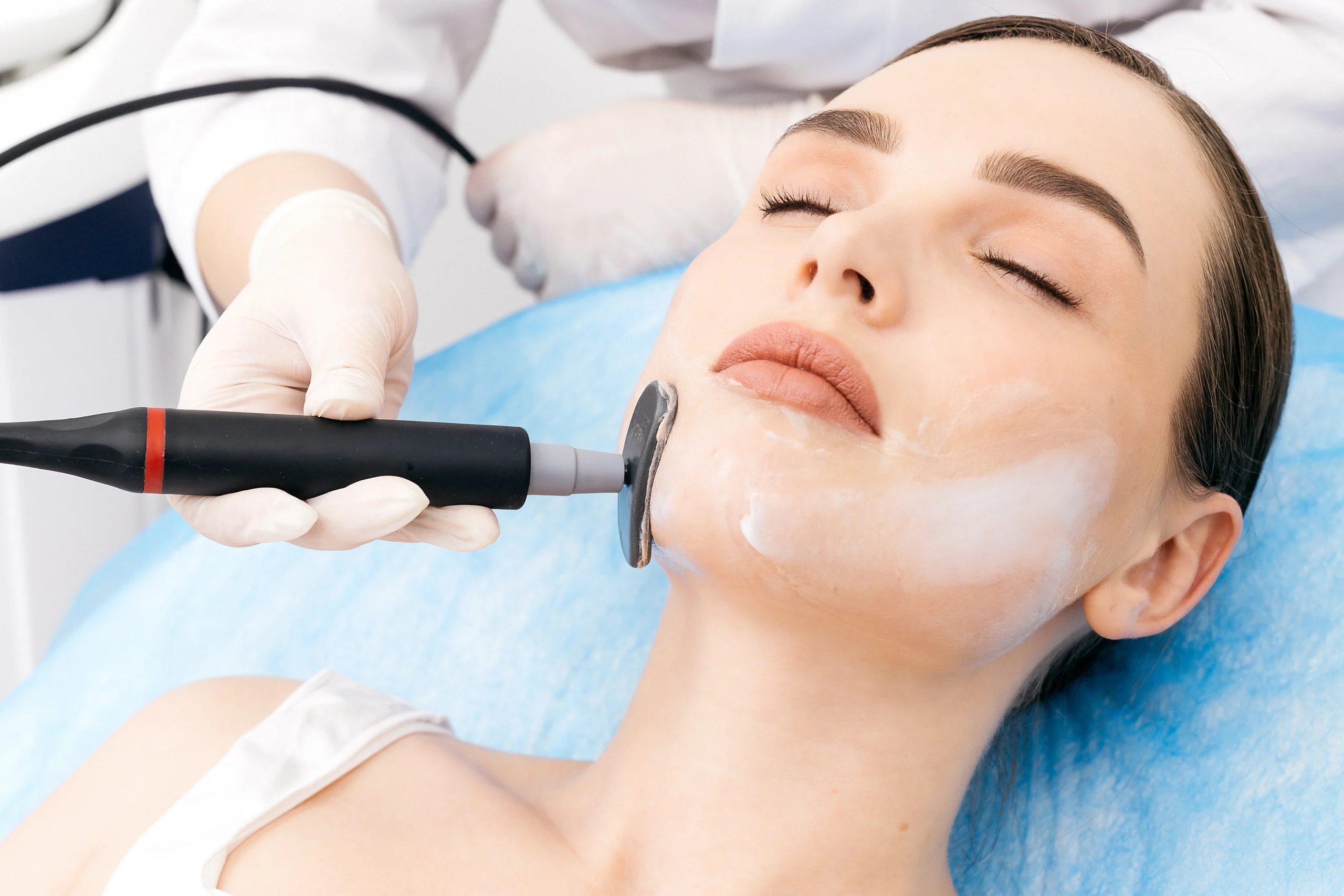
EMS (Electrical Muscle Stimulation) works best when used with a water-based serum or a conductive gel. This helps the current pass through your skin properly and allows peptides or hyaluronic acid to go deeper. Avoid using oils or thick creams before EMS. They block the current and make the device way less effective.
RF (Radio Frequency) devices also need a conductive gel. Without it, you risk poor contact and overheating. The gel acts as a cushion, letting the radio waves reach deeper layers safely. Like EMS, you should use RF on clean skin before any heavy creams.
LED masks are all about light. You want the light to reach your skin directly, so use them right after cleansing and before applying serums. But if you’re combining LED with RF or EMS, you’re likely using a conductive gel, and that’s okay. Most conductive gels are clear and water-based, so the light can still penetrate the skin effectively. Just avoid thick creams or opaque products that could block the light and reduce its benefits.
Facial rollers or gua sha tools come after serums but before moisturizer. They help push active ingredients in and calm puffiness, especially if they’re chilled.
If you’re stacking multiple devices, this order works well: cleanse, then use RF with conductive gel along with LED therapy, followed by EMS with conductive gel paired with LED therapy. Afterward, apply toner (if you use it), serum, and moisturizer. Using LED alongside RF and EMS helps save time.
And yes, it sounds like a lot, but it’s easier once you get into a rhythm. Your routine can feel like a mini spa session.
One last tip: don’t use every gadget every day. Alternate EMS, RF, and LED throughout the week. Your skin needs recovery time, just like your muscles after a workout. If you’re using a multi-tech device that combines several treatments in one session, give your skin at least a day between sessions to rest and recover.
Give your tools the right timing and your skin will return the favor with firmness, glow, and bounce you can actually feel.
Keep It Simple, Keep It Consistent
Focus on consistency and smart layering. Give each product space to do its thing. Trust the process, and don’t rush.
Also, don’t forget SPF. Always apply sunscreen as the final step in your morning routine, after moisturizer and before makeup.
Skincare should feel fun, not like homework. Make your routine a moment of peace in your day. Sip some tea, play music, and enjoy it.
When you layer like a pro, your products will thank you by actually working. And your skin? It’ll glow back at you in the mirror.
But even the best routine can backfire if you overdo it. Let’s talk about the signs your skin needs a breather.
Signs You’re Overdoing It: Common Signs of Product or Device Fatigue
If your skincare routine feels more like a full-time job, your skin might be waving a white flag. Let’s talk.
You probably love your serums, masks, tools, and tech. We get it. But more isn’t always better. Sometimes, it’s too much.
Overloading your skin with products or daily devices can backfire. Your skin gets tired, irritated, or just plain confused.
Not sure if you’ve crossed the line? Here’s how to tell when your skin needs a break and how to fix it.

1. Red Flags on Your Face: What Overuse Looks Like
Your skin’s smarter than you think. It sends clear signals when it’s unhappy with your skincare marathon.
If you see redness, flaking, or random dry patches, your skin could be reacting to too many active ingredients. Make sure the product you’re using contains well-balanced amounts of active ingredients.
Another clue is increased sensitivity. If your regular cleanser suddenly stings, your barrier might be compromised. That’s a big warning sign.
Some people even get breakouts from too much exfoliation or mixing too many products. Ironically, the goal was clear skin.
So, if your skin is burning, itching, or unusually sensitive, it’s not purging. It’s protesting.
2. When Tools Turn Against You
Skincare devices are amazing, until they’re not. Used right, they lift, tone, and brighten. Used too often, they irritate.
EMS and RF work best when spaced out. Using them daily can fatigue facial muscles or overheat your skin.
You might notice a dull look instead of the glow you expected. That’s your skin saying, “Please give me a minute.”
Also, look out for tightness without hydration. If your face feels firm but also dry and stretched, ease up on your device schedule.
Even LED masks can be overused. More time under red light won’t boost collagen faster. It just increases the risk of irritation.
Stick to device instructions and use a conductive gel with EMS and RF. No gel means friction, poor results, and angry skin.
3. How to Hit the Reset Button
So, what should you do if you’ve gone overboard? First, take a break from actives and tools. Go back to basics.
Focus on barrier-repairing ingredients like glycerin, sodium PCA, niacinamide, and oat kernel extract. They support your skin’s recovery and restore balance gently.
Use a gentle cleanser, a hydrating toner, and a simple moisturizer for a week or two. No peels, no fancy masks.
You don’t need to toss your favorite products. Just rotate them wisely. For example, use retinol two nights a week, not five.
Give your skin time to rest by spacing out device use. This way, your skin gets the benefits without feeling overwhelmed.
Keep a simple skincare diary. Track what you use and how your skin reacts. You’ll spot patterns and avoid repeat mistakes.
If you’re unsure, check in with a dermatologist. They can help you reset and figure out what your skin actually needs.
The Bottom Line
More skincare doesn’t always mean better results. Sometimes, your skin just wants you to chill and moisturize.
So, if your glow has turned into a flare-up, don’t panic. Give it time, simplify your routine, and start fresh.
Your skin will thank you with bounce, calm, and that healthy, rested look you were aiming for in the first place.