



Your Skin’s Secret Language
Ever wondered how your skin keeps itself firm and smooth? It turns out, your skin cells are in constant communication, and peptides are the messengers facilitating this chatter. Peptides are short chains of amino acids that signal your skin cells to perform specific functions, such as producing collagen and elastin, which are essential for maintaining skin firmness and elasticity.
As we age, the natural production of these structural proteins declines, leading to wrinkles and sagging skin. By introducing peptides through skincare, we can encourage our skin cells to boost collagen and elastin production, effectively promoting firmer and more youthful-looking skin (Veiga, 2023; Pai, 2023).
Peptides: The Collagen Boosters
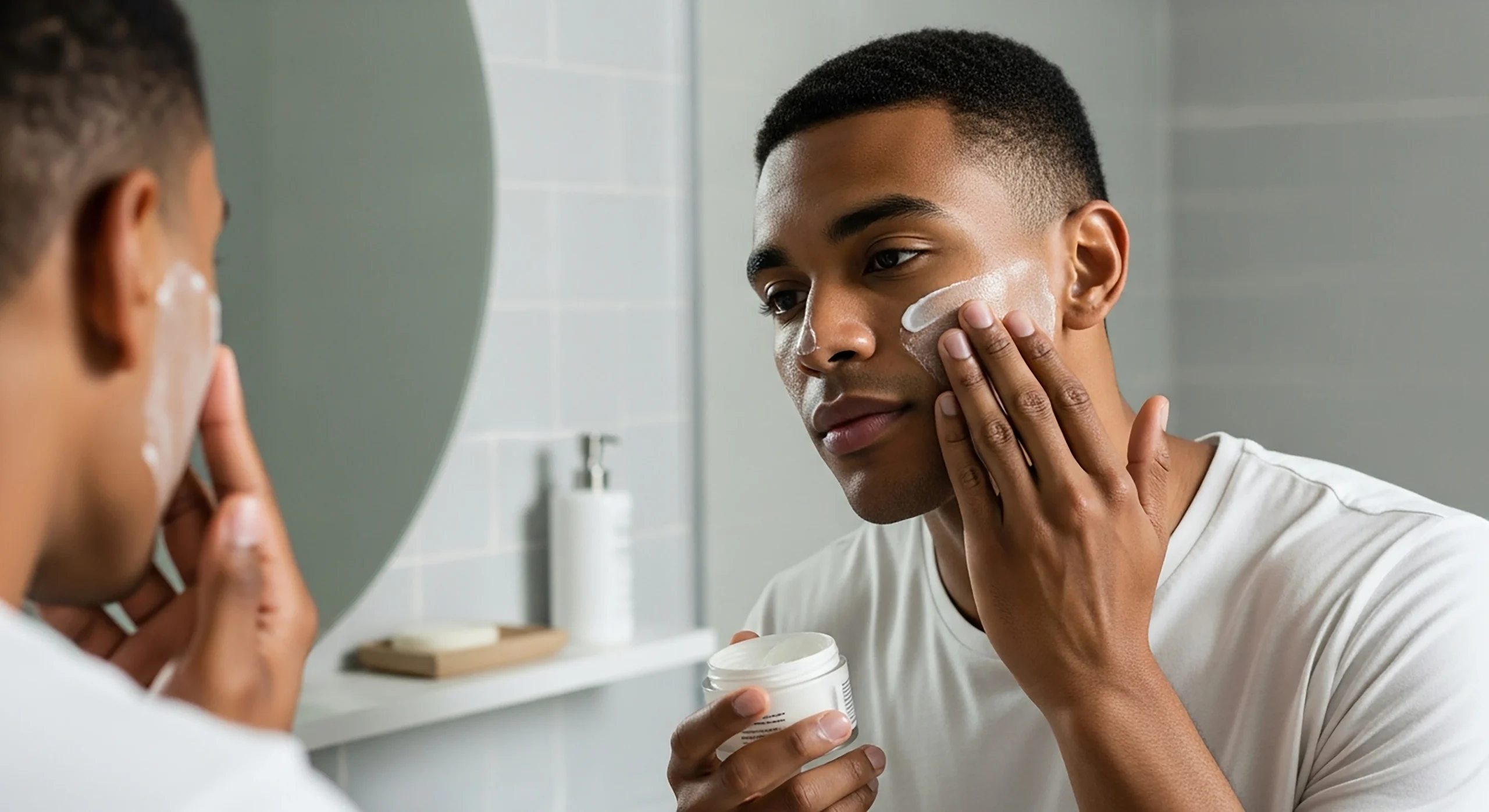
Peptides are short chains of amino acids that act as messengers in your skin, signaling cells to perform specific functions. Depending on their structure and composition, different peptides can stimulate collagen production, enhance hydration, reduce pigmentation, or improve skin elasticity. Incorporating the right peptides into your skincare routine can address various concerns, from fine lines to uneven skin tone (Pai, 2023).
Collagen is the most abundant protein in our skin, providing structure and strength. Peptides play a crucial role in stimulating collagen synthesis. For instance, palmitoyl pentapeptide-4, commonly known as Matrixyl, has been shown to enhance collagen production, leading to reduced wrinkle depth and improved skin texture (Jones, 2013; Lintner, 2000; Robinson, 2005).
Clinical studies support these findings. One study demonstrated that oral supplementation with specific collagen peptides significantly increased skin hydration and collagen density while decreasing collagen fragmentation after just four weeks (Asserin, 2015). Another study found that low-molecular-weight collagen peptides improved skin elasticity and reduced wrinkles over a 12-week period (Seong, 2024).
Choosing the Right Peptides
Not all peptides are created equal. Signal peptides, like palmitoyl pentapeptide-4, directly stimulate collagen and elastin production. Carrier peptides, such as copper peptides, deliver essential minerals to the skin, aiding in healing and regeneration. Neurotransmitter-inhibitor peptides can relax facial muscles, reducing the appearance of expression lines (Sebrina, 2025).
When selecting peptide-infused skincare products, it’s essential to consider your specific skin concerns. For enhancing firmness and reducing wrinkles, look for products containing signal peptides. To support skin healing and overall health, carrier peptides are beneficial. For targeting expression lines, neurotransmitter-inhibitor peptides can be effective.
Incorporating Peptides into Your Skincare Routine
To maximize the benefits of peptides, consistency is key. Incorporate peptide-rich serums or creams into your daily skincare regimen, applying them after cleansing and before moisturizing. Remember, while peptides are powerful, they work best in conjunction with other skincare practices, such as sun protection and proper hydration.
Additionally, combining topical peptide treatments with oral collagen supplements can provide synergistic effects (Asserin, 2015). Studies have shown that oral collagen peptides can improve skin elasticity and hydration, complementing the effects of topical applications (Proksch, 2014).
Collagen-Boosting Peptides: Firmness and Elasticity
As we age, collagen production decreases, leading to sagging skin and wrinkles. Collagen-boosting peptides can help counteract this process by stimulating fibroblasts, the cells responsible for collagen synthesis.
- Palmitoyl Pentapeptide-4 (Matrixyl): This peptide has been shown to improve skin firmness and reduce the appearance of wrinkles by promoting collagen production. Studies have demonstrated its efficacy in enhancing skin texture and reducing fine lines (Brown, 2023).
- Copper Peptides (GHK-Cu): These peptides not only stimulate collagen and elastin production but also promote wound healing and have antioxidant properties. Research indicates that GHK-Cu can improve skin elasticity and reduce signs of aging (Pickart, 2008) .
Incorporating products containing these peptides can lead to firmer, more youthful-looking skin over time.
Brightening Peptides: Even Skin Tone and Radiance
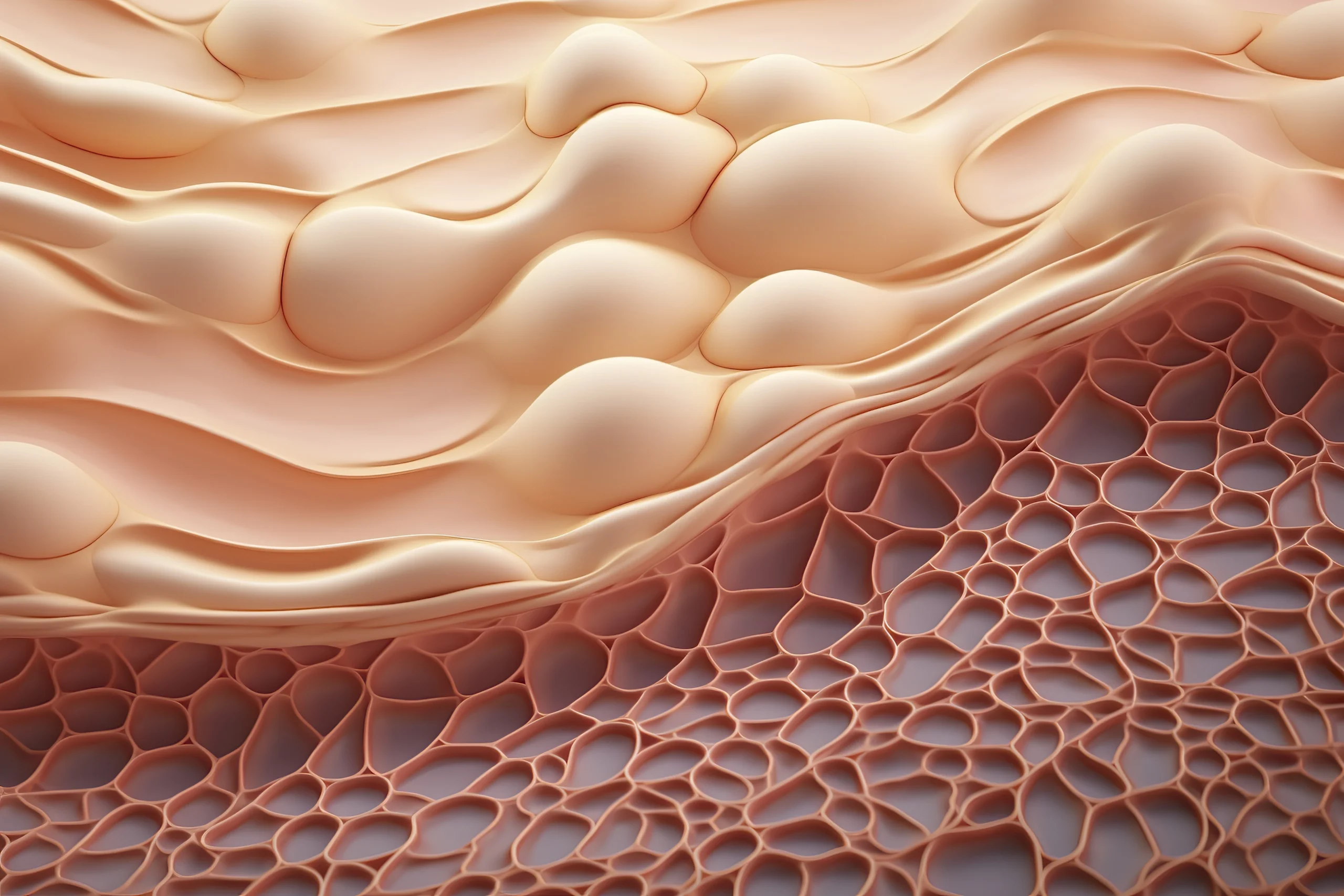
Hyperpigmentation and uneven skin tone are common concerns that can be addressed with specific peptides targeting melanin production.
- Oligopeptide-68: This peptide inhibits the enzyme tyrosinase, which plays a crucial role in melanin synthesis. By reducing melanin production, Oligopeptide-68 helps fade dark spots and even out skin tone (Brown, 2023).
- Nonapeptide-1: Known for its ability to interfere with the signaling pathways that lead to melanin production, Nonapeptide-1 can help lighten hyperpigmented areas and promote a more radiant complexion (Huang, 2024).
Regular use of products containing these peptides can result in a brighter, more even skin tone.
Hydration and Barrier-Enhancing Peptides
Maintaining skin hydration and a strong barrier function is essential for healthy skin. Certain peptides can enhance these aspects:
- Palmitoyl Tripeptide-5: This peptide not only stimulates collagen production but also strengthens the skin’s barrier, helping to retain moisture and protect against environmental stressors (Brown, 2023).
- Acetyl Hexapeptide-37: Known for its moisturizing properties, this peptide improves water retention in the skin, leading to increased hydration and suppleness.
Incorporating these peptides into your skincare routine can help maintain optimal hydration levels and reinforce the skin’s natural defenses.
Anti-Wrinkle Peptides: Smoothing Fine Lines
Some peptides can reduce the appearance of wrinkles by targeting the underlying causes:
- Acetyl Hexapeptide-8 (Argireline): Often referred to as a “Botox-like” peptide, Argireline works by inhibiting neurotransmitter release, leading to reduced facial muscle contractions and smoother skin (Hubmed, 2025).
- Acetyl Octapeptide-3 (SNAP-8): Similar to Argireline, SNAP-8 reduces the depth of wrinkles caused by facial expressions by modulating muscle contractions (Brown, 2023).
These peptides can be particularly effective in minimizing expression lines around the eyes and forehead.
Incorporating Peptides into Your Skincare Routine
To maximize the benefits of peptides:
- Choose the Right Products: Look for serums and moisturizers that list peptides among the top ingredients.
- Apply Consistently: Use peptide-containing products daily, preferably after cleansing and before heavier creams.
- Combine Wisely: Peptides can be combined with other active ingredients like hyaluronic acid and niacinamide but avoid mixing with strong acids that may degrade them.
By understanding the specific benefits of different peptides and incorporating them appropriately, you can address various skin concerns and enhance your overall complexion.
Supercharge Your Routine: Peptides Meet EMS
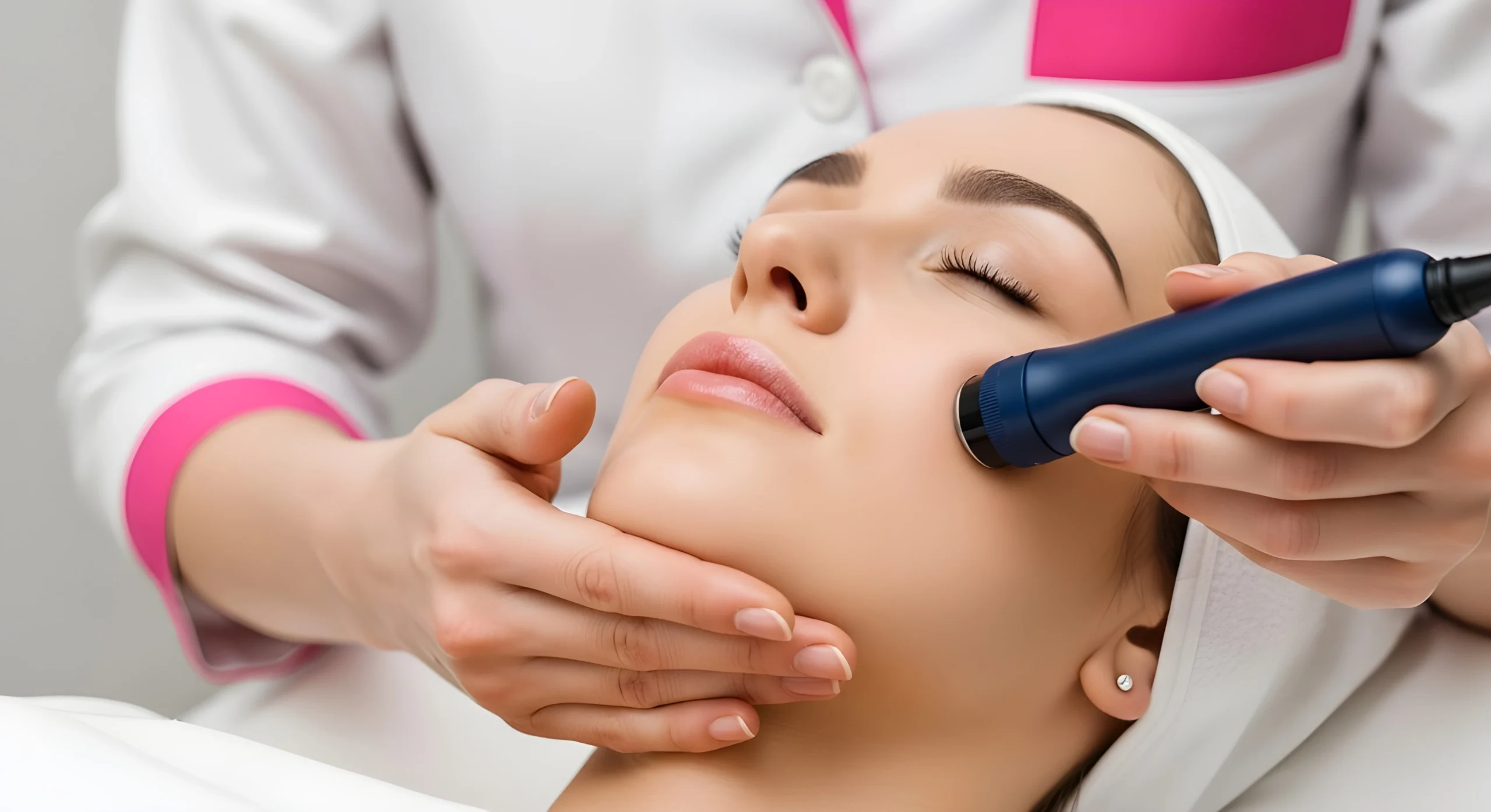
Once you’ve nailed down how to use peptides in your skincare, there’s a way to take things up a notch. Enter EMS therapy, which stands for Electrical Muscle Stimulation. While peptides work on a cellular level to boost collagen and repair skin, EMS adds muscle stimulation to lift and firm from the inside out. Used together, they create a powerful one-two punch for stronger, smoother, and more radiant skin.
What Is EMS Therapy and Why You’ll Love It
EMS is a non‑invasive way to stimulate muscle contraction using gentle electrical pulses. When you apply EMS to your face, it mimics your natural muscle movement. Studies show that using EMS consistently can strengthen facial muscles and improve sagging or loose skin. For instance, a 2022 study with at‑home medium‑frequency EMS devices showed significant improvements in facial elasticity, sagging, and even lifting of a double chin after just four weeks of nightly use, compared to a control group using only serum and no EMS (Shin, 2022).
With EMS, you’re basically giving your facial muscles a gentle workout. This improves muscle tone, supports the skin, and brings back a more lifted, firmer look.
Why Layering EMS with Peptides Gives Great Results
You know how layering ingredients can boost skincare effects? Combining EMS with peptides is a powerful duo. Peptides help send cellular signals for collagen production, elasticity, hydration, and barrier repair. Research reviews from 2025 confirm peptides can improve collagen synthesis, enhance cell proliferation, and reduce inflammation (Pintea, 2025).
But peptides often struggle to penetrate deep into the skin barrier. That’s where EMS comes in. EMS creates small micro‑channels and increases blood flow in treated areas. This helps peptides reach deeper skin layers where they can be most effective. A 2025 MDPI review emphasized electrical methods like iontophoresis, electroporation, and EMS as effective ways to enhance peptide delivery through the skin (Pintea, 2025). So, layering EMS with peptide serums can help you get more out of both technologies.
How to Layer Peptides and EMS in Your Routine
Here’s a simple way to combine EMS technology with peptides for best results:
- Cleanse Your Face Thoroughly
Start with a clean canvas so peptides and electrical pulses can work without barriers like oil, makeup, or sunscreen. - Apply a Peptide Serum
Use a serum rich in different types of peptides. Make sure it is designed to support optimal conductivity during EMS electrical stimulation. - Gently Use EMS Device
Use your EMS device to target areas with mild sagging, smile lines, double chin, or lack of tone. - Follow with Cream or Moisturizer
The peptide serum will keep working, and the final cream helps lock in hydration. It seals everything nicely for overnight repair.
Consider doing this routine every other night for at least 4–8 weeks. Studies suggest visible improvements in as little as four weeks (Shin, 2022). You’ll likely notice lifted skin, reduced sagging, more elasticity, and even improved blood flow, perfect for firmer, more radiant skin.
Safety First: Tips to Stay Smart and Comfortable
- Patch test first. Test your peptide serum and EMS device on a small patch before full use.
- Start low and slow. Begin with shorter EMS sessions at minimal settings and build up based on your skin’s tolerance.
- Be gentle. Avoid sensitive areas or broken skin. Never use EMS over irritated or freshly exfoliated skin.
- Consult a pro. If you’re pregnant, have skin conditions, or use medical devices, talk to your dermatologist or doctor first.
EMS and peptides both have minimal side effects individually. But combining them intensifies their action, so you’ll want to be mindful. Some redness or slight tingling during EMS is normal, it usually fades quickly after treatment.
Your Takeaway: Radiance with Science and Self‑Care
When you pair EMS with targeted peptide skincare, you’re layering muscle toning, deeper ingredient delivery, and cellular revitalization. Clinical studies consistently show that EMS improves firmness, muscle tone, and blood circulation (Malkaspa.com, 2022). Reviews confirm peptides stimulate collagen, reduce inflammation, and increase cell proliferation (Pintea, 2025).
By combining these, you give your skin a solid boost, from surface tightening to deeper collagen renewal. This routine brings noticeable firmness, less sagging, brighter tone, and smoother skin texture. And it’s a doable, enjoyable step in your self‑care ritual.
You deserve a firm, radiant complexion energized by modern skincare science. Try layering your favorite peptide serum with EMS therapy for a lift, both in appearance and mood.