Scientific Studies
How it works?
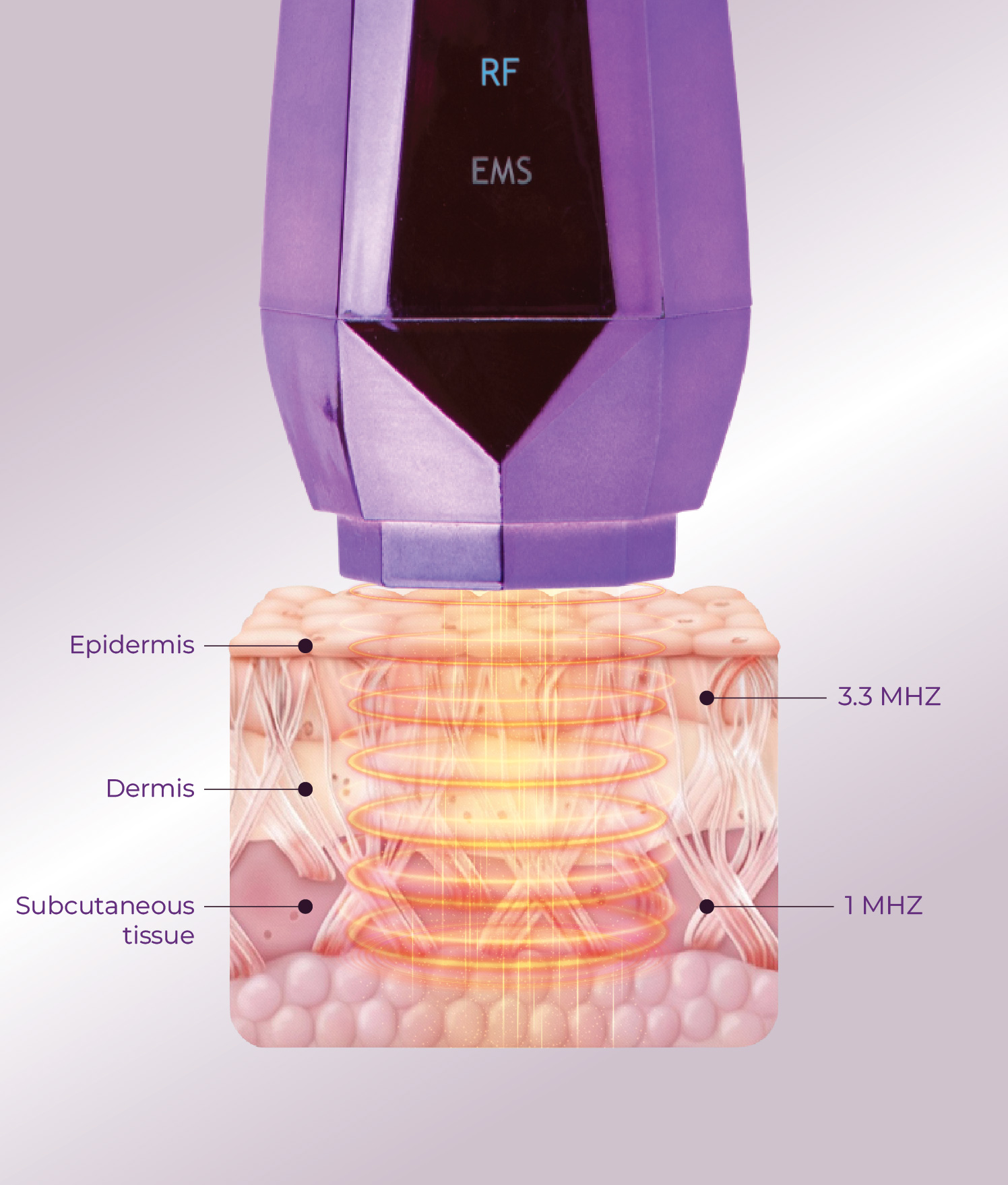
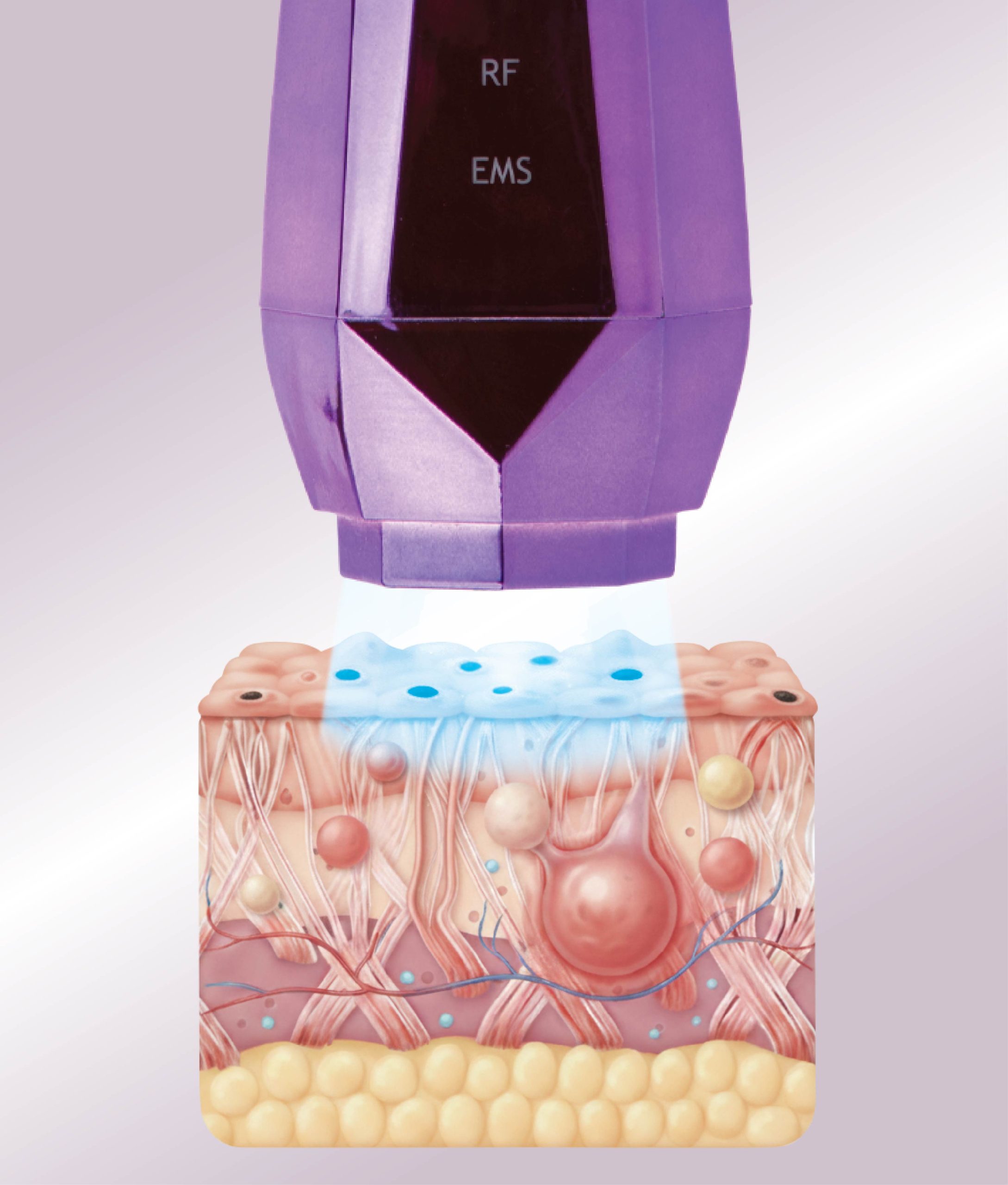
Radio Frequency (RF) therapy harnesses electromagnetic waves to rejuvenate the skin by targeting the dermis and deeper layers. With variable frequencies between 1 MHz and 3.3 MHz, the treatment customizes penetration depth based on your skin's needs. At higher frequencies like 3.3 MHz, RF energy concentrates heat in the upper dermis, powerfully stimulating collagen production to improve firmness, elasticity, and smoothness. Lower frequencies penetrate deeper, promoting structural skin renewal for a more lifted, youthful appearance. This controlled thermal stimulation activates fibroblast cells, encouraging the natural regeneration of collagen and elastin essential for long-term skin revitalization.
Rejuvenate with RF
Benefits Grounded in Scientific Evidence
Skin Tightening: RF energy promotes the production of collagen and elastin, which results in firmer, more youthful-looking skin. Improved Texture: The increased collagen helps smooth the skin’s surface, reducing the appearance of fine lines and wrinkles. Non-Invasive: RF offers a non-surgical, safe alternative to facelift procedures, requiring no downtime.
See Before & After Results
Scientific Studies
RF treatments have been studied for their effects on skin rejuvenation. A study involving bipolar RF technology found that controlled thermal stimulation can effectively improve facial fine lines without causing thermal damage [1]. Using ex vivo and in vivo models along with a clinical trial of 46 patients, the study showed significant collagen stimulation and visible rejuvenation effects within two weeks. A single-center clinical trial evaluated the effectiveness and safety of a noninvasive, multipolar home-based RF device for facial rejuvenation in 22 Chinese women aged 25–60 years [2]. After 8 weeks of treatment, subjects showed significant improvements in wrinkle reduction, dermal thickness, and skin texture, as assessed by physician evaluations, 3D skin analysis, and ultrasound imaging. The treatment was well-tolerated with no serious adverse events. Another study evaluated the effectiveness of a combined multipolar radiofrequency and pulsed electromagnetic field treatment for facial and neck rejuvenation in 11 patients with mild to moderate photoaging [3]. After eight weekly sessions, all participants showed significant improvement in skin laxity, and most also exhibited better facial contour and overall skin condition. These findings suggest that multipolar RF treatments—like those used in the Golden Radiance-8 device—can effectively enhance skin appearance by stimulating collagen production, improving skin laxity, and refining facial contours. With evidence supporting improvements in wrinkle reduction and overall skin condition, multipolar RF offers a safe, non-invasive option for skin rejuvenation. However, results may vary depending on individual skin types and conditions, so it’s recommended to consult a dermatologist or skincare professional to tailor treatment plans accordingly.
References:
[1] Bai, Y., Ni, W., Zhang, Y., Jiang, Z., Zhou, S. and Yao, M. (2025), Radiofrequency Improves Facial Fine Lines by Thermal Effect: Damage or Just Stimulation?. J Cosmet Dermatol, 24: e16600. https://doi.org/10.1111/jocd.16600
[2] Ai X, Chen L, Lan Y, et al. Efficacy and safety of a noninvasive, home-based radiofrequency device for facial rejuvenation: An open-label, intraindividual controlled trial. J Cosmet Dermatol. 2024; 23: 862-868. doi:10.1111/jocd.16076
[3] De Oliveira TC, Rocha SF, Ramos DG, Ramos CG, Carvalho MV, Ramos MG. Effects of Multipolar Radiofrequency and Pulsed Electromagnetic Field Treatment for Face and Neck Rejuvenation. Dermatol Res Pract. 2017;2017:4146391. doi: 10.1155/2017/4146391. Epub 2017 Mar 8. PMID: 28373880; PMCID: PMC5360959.
Electrical Muscle Stimulation (EMS) Technology: Sculpting and Toning the Skin
How it works?
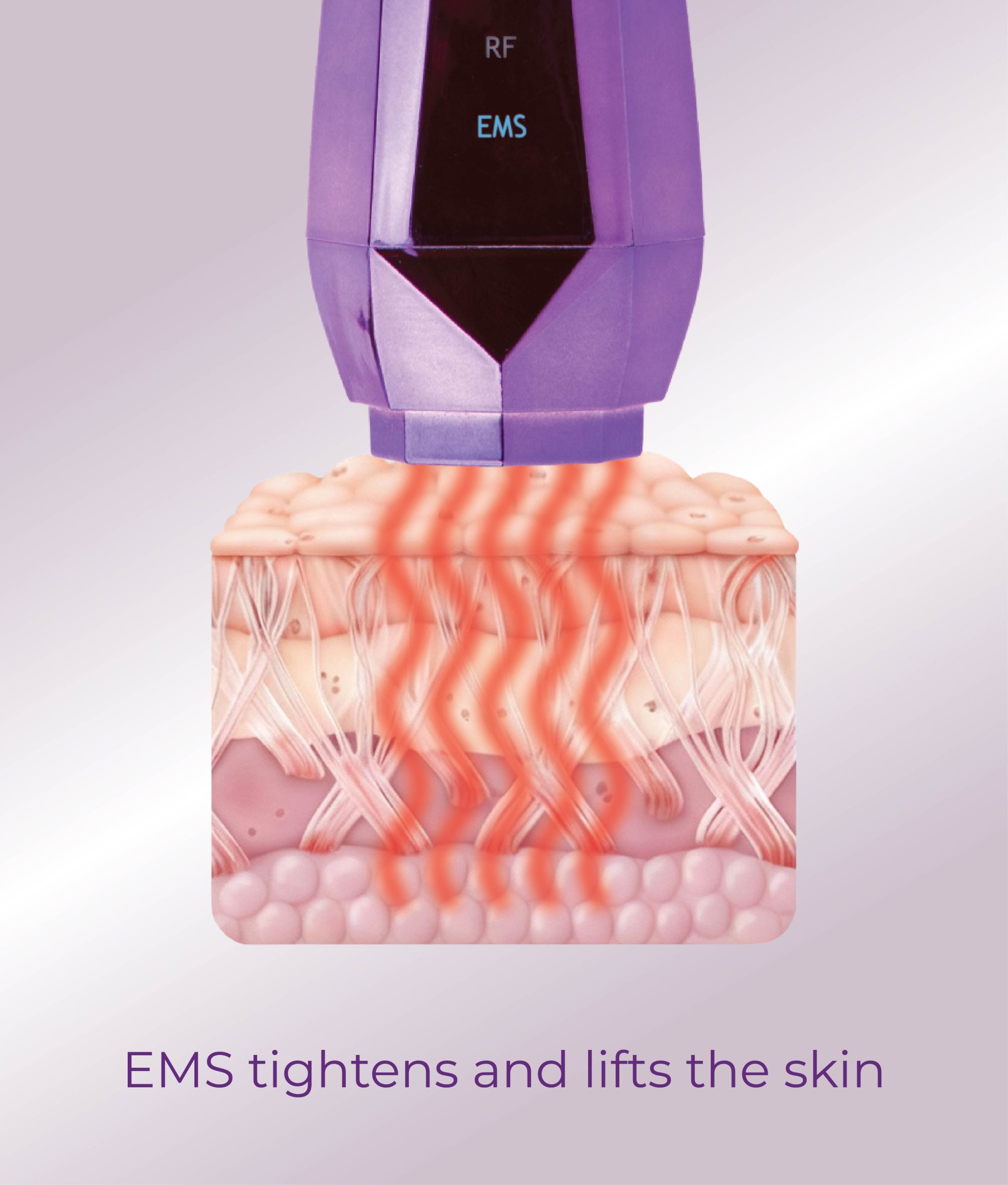
EMS uses low-frequency electrical impulses to stimulate facial muscles and underlying tissues. These impulses contract the muscles, and this helps improve muscle tone, lift sagging skin, and enhance overall firmness. The impulse and sinusoidal waveforms penetrate the skin layers and stimulate the muscles to tighten, resulting in a more sculpted and youthful appearance.
Sculpt Your Face Naturally
Benefits Grounded in Scientific Evidence:
Firming and Toning: EMS targets and strengthens the facial muscles, improving skin elasticity and reducing the appearance of sagging. Enhanced Blood Circulation: The stimulation increases blood flow to the skin, promoting a healthy, glowing complexion. Contour Definition: EMS works to refine the contours of the face by lifting and firming, giving you a more defined jawline and cheekbones.
Get Skincare tips
Electrical Muscle Stimulation (EMS) Technology: Sculpting and Toning the Skin
One study reviewed the role of micro-current stimulation in skin treatments, highlighting its various functions, such as drug delivery, promoting wound healing, pain relief, and enhancing blood circulation for muscle rehabilitation [4]. Compared to other medical therapies, micro-current stimulation offers a safe, non-invasive treatment with minimal side effects, making it highly applicable in clinical settings. Another study assessed the effects of high-frequency facial neuromuscular electrical stimulation on facial aging in 24 women [5]. Over 8 weeks, the treatment significantly improved skin elasticity, reduced wrinkles and sagging, and enhanced blood flow. Participants also reported visible improvements in facial appearance. These findings suggest that non-invasive electrical stimulation technologies can effectively improve various skin conditions, such as skin elasticity, wrinkle reduction, and blood circulation. Given their minimal side effects, low cost, and clinical applicability, these types of treatments, including those used in Golden Radiance-8 device, offer a promising approach to facial rejuvenation and overall skin health improvement.
References:
[4] Xu X, Zhang H, Yan Y, Wang J, Guo L. Effects of electrical stimulation on skin surface. Acta Mech Sin. 2021;37(12):1843-1871. doi: 10.1007/s10409-020-01026-2. Epub 2021 Feb 6. PMID: 33584001; PMCID: PMC7866966.
[5] Omatsu J, Yamashita T, Mori T, et al. Neuromuscular electrical stimulation for facial wrinkles and sagging: The 8-week prospective, split-face, controlled trial in Asians. J Cosmet Dermatol. 2024; 23: 3222-3233. doi:10.1111/jocd.16403
LED Therapy: Harnessing Light for Skin Health
How it works?
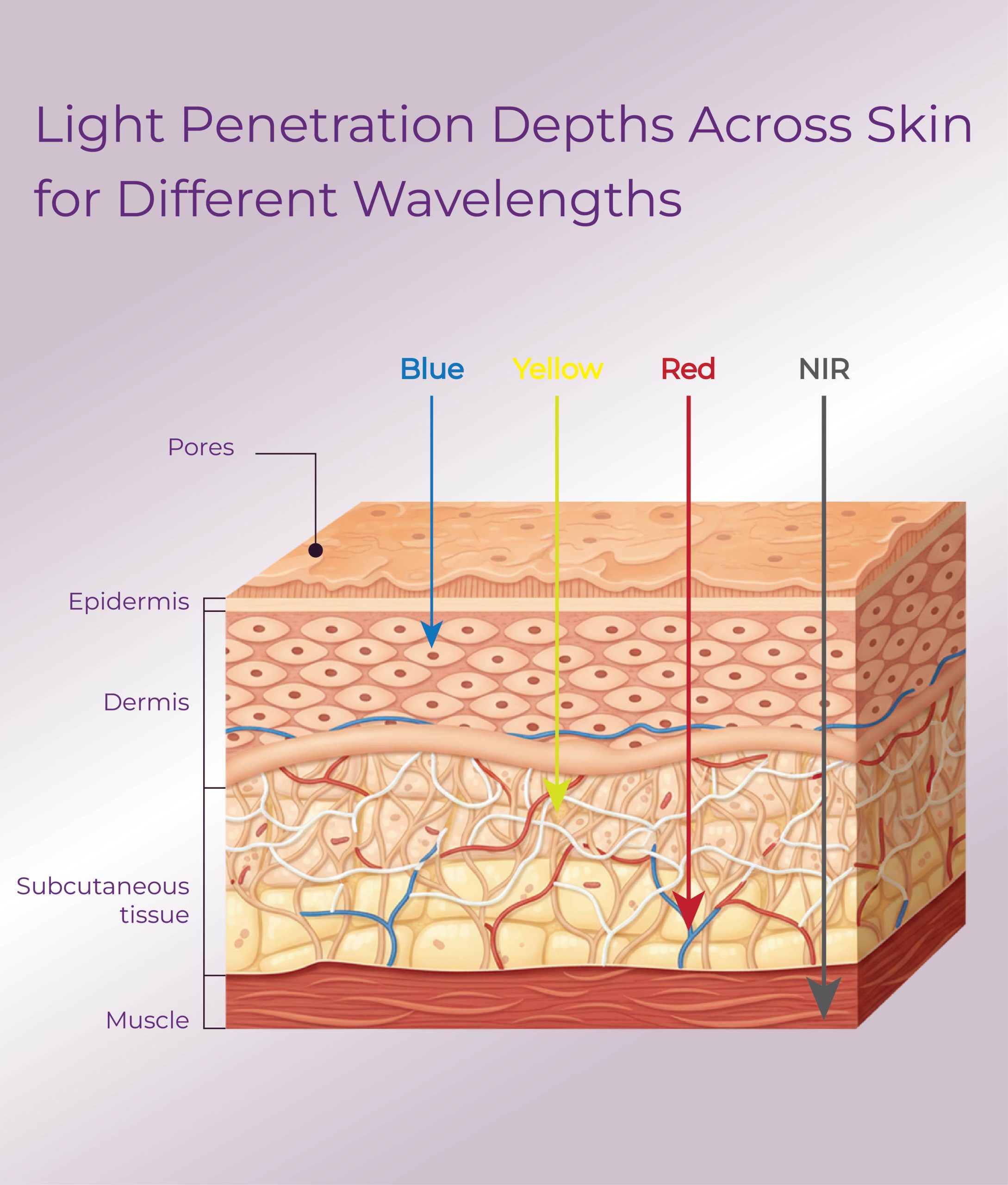
Light Emitting Diode (LED) therapy uses specific wavelengths of light to treat a variety of skin concerns. Red, blue, yellow, and near-infrared lights each serve different purposes in skincare. Red light (660 nm) penetrates the skin to stimulate collagen production and rejuvenate the skin. Blue light (415 nm) targets acne-causing bacteria, while yellow light (590 nm) improves skin tone and reduces redness. Near-infrared light (810 nm) penetrates deeper into the skin for overall vitality and healing.
See It in Action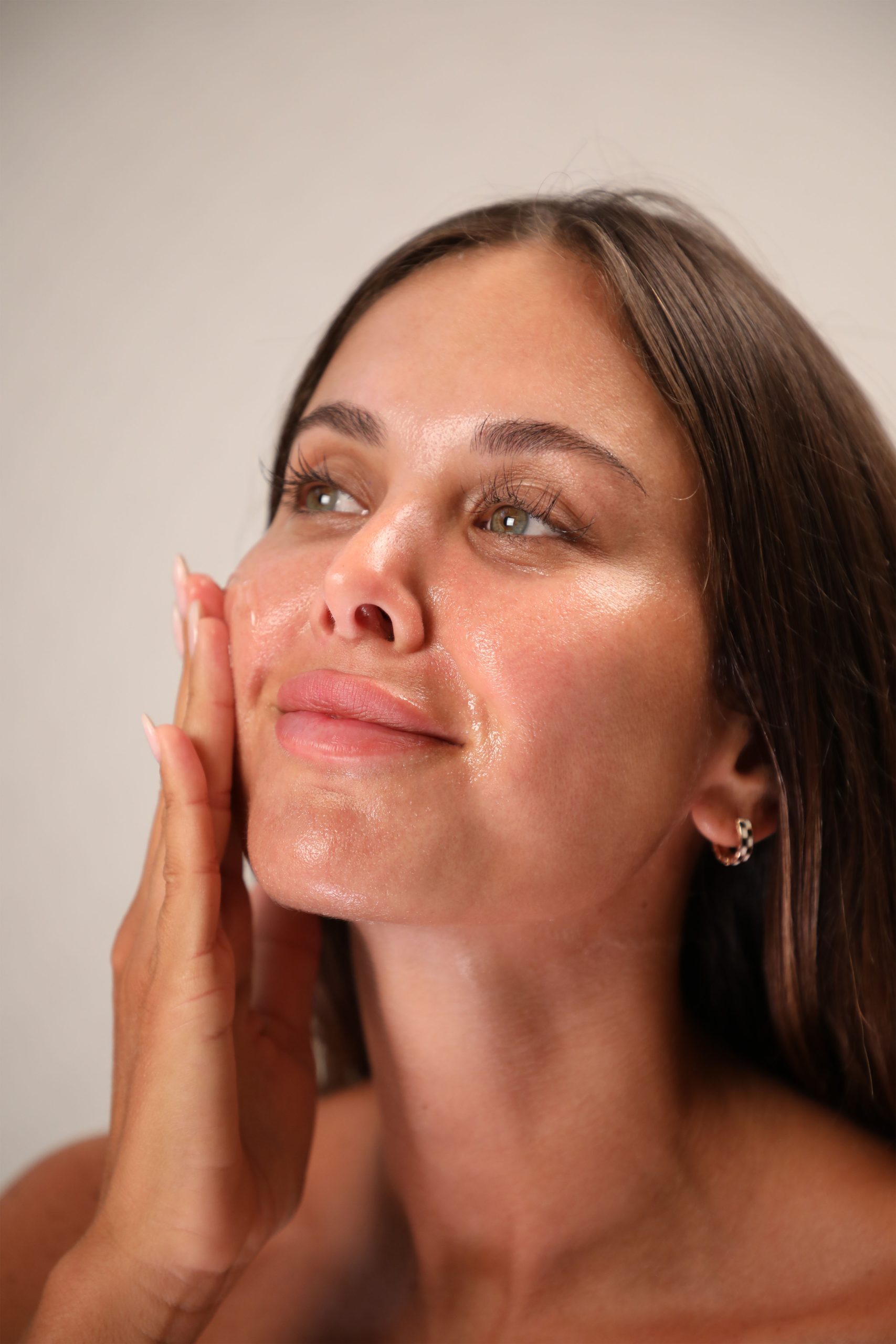
Benefits Grounded in Scientific Evidence:
Red Light (660 nm): Improves skin texture, reduces wrinkles, and enhances collagen production, leading to a youthful glow. We chose the 660 nm wavelength due to its proven effectiveness as one of the most beneficial red light wavelengths for skin treatments. Positioned toward the higher end of the visible red spectrum, 660 nm light penetrates deeper into the skin compared to the slightly shorter 630 nm wavelength, while delivering comparable benefits. This red light wavelength reaches beyond the skin’s surface, working its way into the sebaceous glands and promoting rejuvenation of the skin’s texture and tone. Both the 630 nm and 660 nm wavelengths are among the most extensively researched, with a wide array of benefits that extend to various therapeutic applications: • Reduction of fine lines and wrinkles: One study evaluated the effectiveness of low-level light therapy (LLLT) using 660 nm red LEDs and 411 to 777 nm white LEDs for treating facial wrinkles [6]. After 12 weeks of treatment, both groups showed significant improvement in wrinkle measurements, with the red LED group slightly outperforming the white LED group. The study concluded that both types of LEDs were effective in improving periocular wrinkles, with 660 nm red LEDs being particularly effective and well-tolerated. • Anti-inflammatory properties: Research in animals has shown that 660 nm red light can help reduce inflammation, similar to how it helps with conditions like pleurisy, which is inflammation around the lungs [7]. • Wound healing enhancement: Red light at 660 nm promotes new blood vessel formation and collagen production, which accelerates wound healing and tissue regeneration [8]. • Acne treatment: According to a 2017 review published in Dermatology Times, red light therapy may be an effective treatment for acne. Many widely used LED light therapies for acne combine both blue and red light [9].
Blue Light (415 nm): Targets and neutralizes acne-causing bacteria, reducing breakouts and calming inflammation. We selected blue light at 415 nm for its beneficial effects on skin, particularly for treating acne. Research shows that this wavelength helps in reducing inflammation and improving skin conditions by modulating key molecules in the skin. Blue light, especially in the range of 405–470 nm, is known for its ability to kill bacteria without needing any extra chemicals. It’s safer for human cells compared to ultraviolet light. Blue light works by exciting molecules inside bacteria, leading them to produce harmful substances (like reactive oxygen species) that damage the bacteria and help clear up acne. It has been shown to be effective against a wide range of bacteria, including those that cause acne and stomach infections [10]. One study found that mixed blue-red light therapy (415 + 660 nm) significantly improved inflammatory acne lesions by 76% over 12 weeks, outperforming blue light, white light, and 5% benzoyl peroxide. It also reduced comedones by 58% [11]. The results suggest that combining blue and red light offers an effective, noninvasive acne treatment with antibacterial and anti-inflammatory benefits.
Yellow Light (590 nm): Improves skin tone and texture, reduces redness, and revitalizes dull skin. The selection of the 590 nm wavelength, often associated with yellow light therapy, offers a range of skin benefits that enhance overall skin health and appearance. Here’s a look at how this wavelength specifically supports skin care: 1. Enhances Collagen Production: Collagen is essential for maintaining healthy, firm skin. As we age, collagen production naturally declines. Yellow light therapy helps stimulate collagen production, leading to firmer, more youthful-looking skin. This increased collagen production aids in the repair and regeneration of skin cells, contributing to a more radiant complexion. A study compared red (660nm) and amber light (yellow light at 590nm) therapy for reducing wrinkles on the face [12]. It involved 137 women who received 10 sessions of light treatment over 4 weeks. Both red and amber light showed a significant reduction in wrinkle volume, around 30%. Overall, both light therapies were effective for rejuvenating the skin and improving the participants’ quality of life, making them a good option for people who can’t use more invasive treatments. 2. Skin Rejuvenation: Skin rejuvenation involves improving the appearance and health of the skin by stimulating collagen production and reducing signs of aging. A study explored how red and yellow LED lights can improve skin rejuvenation. In laboratory tests, they found that yellow (595 nm) and red (630 nm) LEDs helped increase collagen production and decrease its breakdown [13]. The effects lasted for at least 21 days after treatment, suggesting that these LEDs could be effective for skin regeneration and rejuvenation. 3. Reduces Redness and Inflammation: One of the key benefits of yellow light is its anti-inflammatory properties, which are particularly beneficial for those with sensitive skin. The soothing effects of yellow light help reduce redness, swelling, and irritation, making it ideal for calming inflamed skin. A recent study showed that yellow LED light (590 nm) can help repair skin damage caused by the sun [14]. It reduced harmful stress and inflammation in skin cells, helped protect collagen (which keeps skin firm), and supported the skin’s healing process. This means yellow light could be a safe and helpful way to treat aging or sun-damaged skin. Another study compared two treatments for melasma: a hospital-based laser (1064 nm QSNY) and a home-use light therapy device (590 nm LED) [15]. Both treatments were effective in reducing melasma, with no major side effects. While the laser showed slightly better improvement, the difference wasn’t significant. The 590 nm LED therapy is safer, cheaper, and more convenient, making it a good alternative for at-home use. 4. Improves Blood Circulation: Yellow light therapy helps to boost blood circulation, which is critical for healthy skin. By stimulating the creation of red blood cells, it promotes better blood flow to different parts of the body, ensuring that skin cells receive the nutrients they need for optimal health [16]. This accelerates the healing process of injured areas and supports skin recovery.
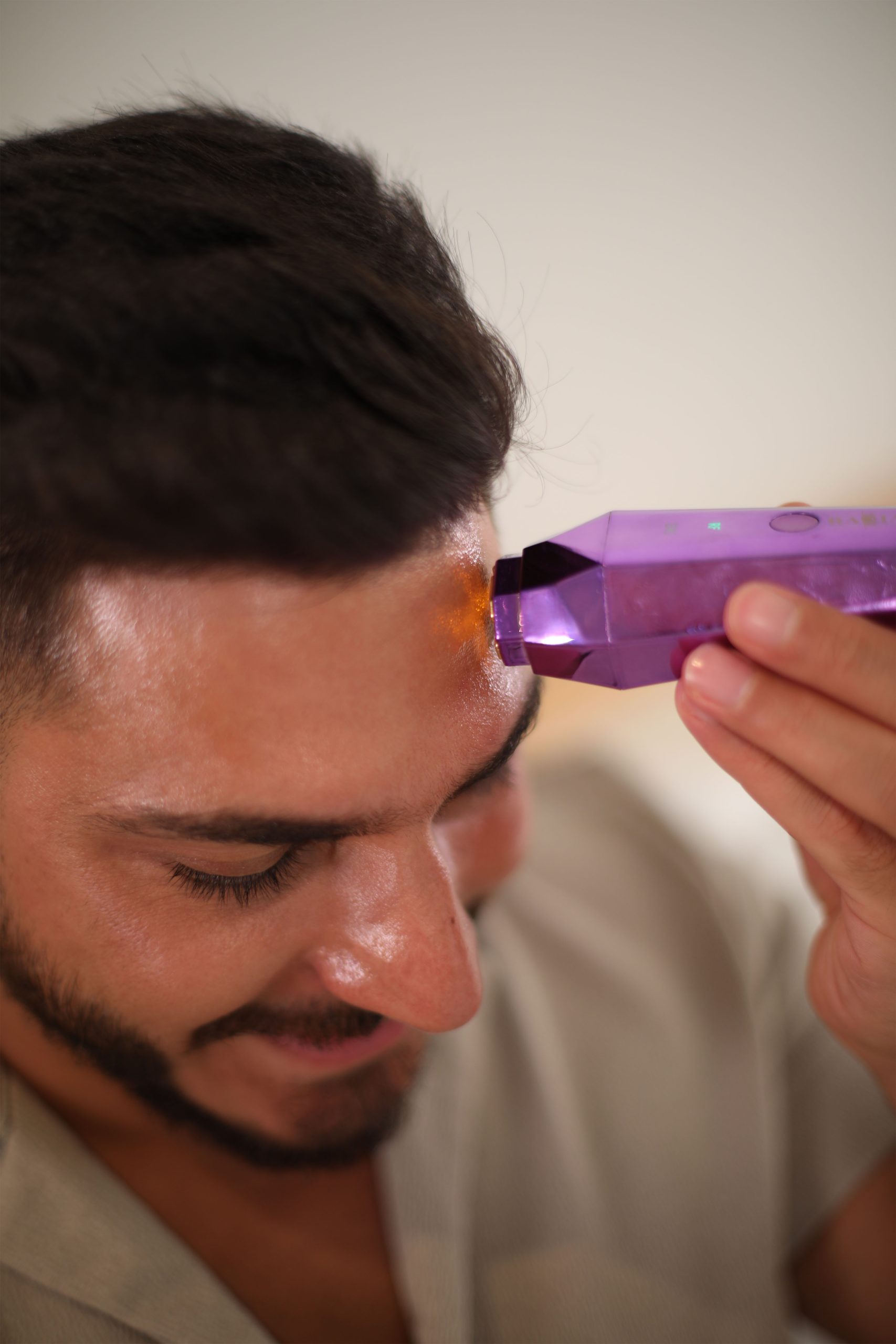
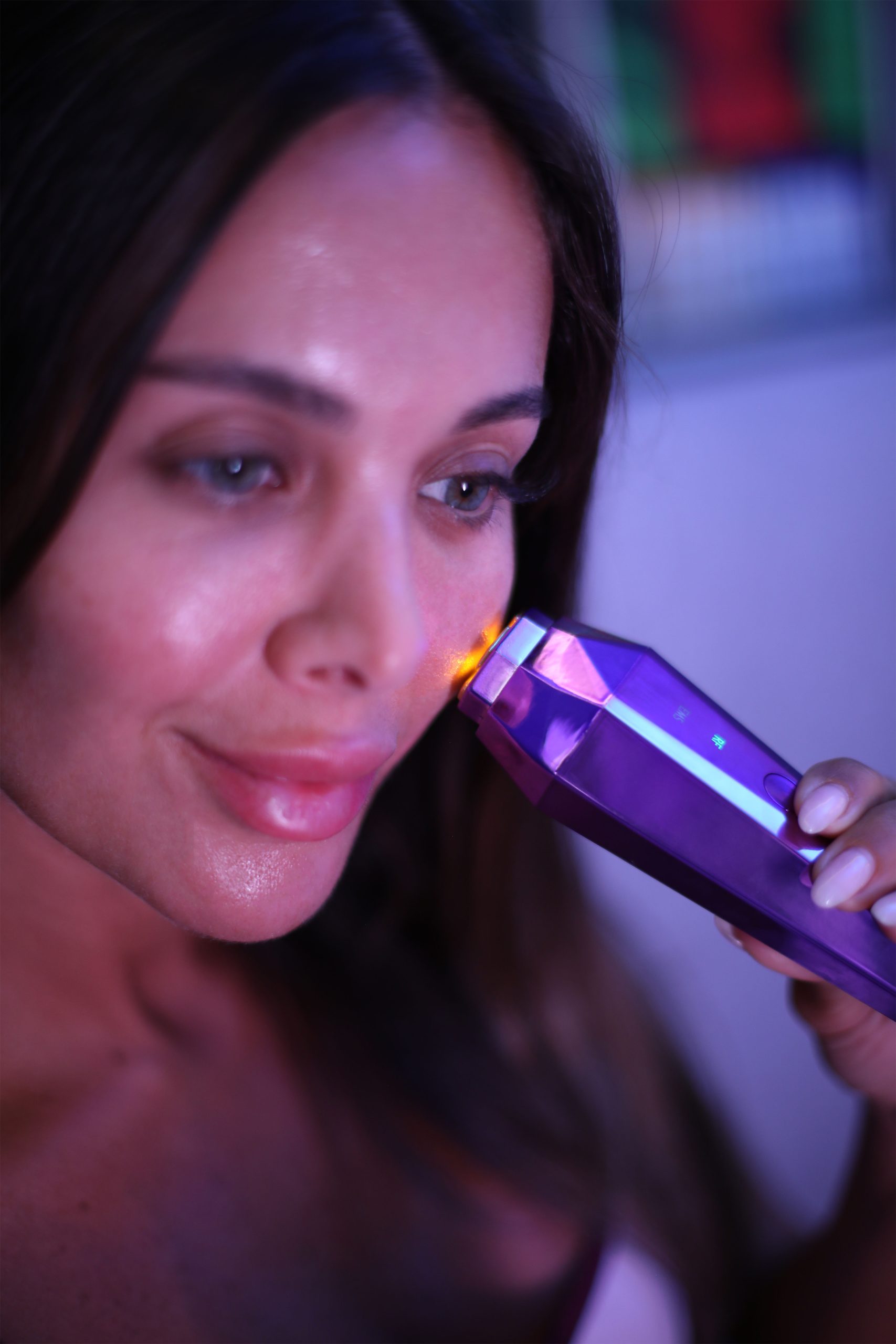
Near-Infrared Light (810 nm): Deeply penetrates the skin to promote overall vitality, repair, and tissue regeneration. To get the most out of light therapy, it’s important to use the right method. While many people focus on things like wavelength and intensity, they often forget that skin contact is key for deep tissue penetration. Even though 810 nm is great for reaching deeper layers of the skin, it only works well when the device is in direct contact with the skin [17]. This aligns perfectly with the Golden Radiance-8, where the device touches the skin during its RF and EMS treatment modes, ensuring that the therapy reaches the deeper layers effectively for maximum benefits. The 810 nm wavelength is widely regarded as one of the best for Photobiomodulation (PBM). Numerous studies highlight its optimal range for treatment, with a 2020 review citing it as the typical choice for PBM [18]. A 2023 review of muscle function studies concluded that wavelengths between 808 nm and 810 nm produced the most favorable results, with approximately 37.5% of positive studies using the 808 – 810 nm range [19]. This is important for skin treatments as well, because wavelengths in this range penetrate the skin effectively, helping to stimulate collagen production and promote skin rejuvenation. Just as these wavelengths benefit muscle function, they can also support the repair and regeneration of skin cells, contributing to a healthier, more youthful complexion. As a matter of fact, in terms of tissue penetration, 810 nm offers deep tissue penetration due to its intersection with key absorbing molecules like blood, melanin, and water. Dr. Jan Tuner’s research and other studies [20] suggest that 810 nm is optimal for depth of penetration compared to longer wavelengths like 830 nm.
References:
[6] Nam CH, Park BC, Kim MH, Choi EH, Hong SP. The Efficacy and Safety of 660 nm and 411 to 777 nm Light-Emitting Devices for Treating Wrinkles. Dermatol Surg. 2017 Mar;43(3):371-380. doi: 10.1097/DSS.0000000000000981. PMID: 28195844.
[7] Boschi, E.S., Leite, C.E., Saciura, V.C., Caberlon, E., Lunardelli, A., Bitencourt, S., Melo, D.A.S. and Oliveira, J.R. (2008), Anti-Inflammatory effects of low-level laser therapy (660 nm) in the early phase in carrageenan-induced pleurisy in rat. Lasers Surg. Med., 40: 500-508. https://doi.org/10.1002/lsm.20658
[8] Colombo, F., Neto, A.D.A.P.V., Sousa, A.P.C.D., Marchionni, A.M.T., Pinheiro, A.L.B. and Reis, S.R.D.A., 2013. Effect of low-level laser therapy (λ660 nm) on angiogenesis in wound healing: a immunohistochemical study in a rodent model. Brazilian dental journal, 24, pp.308-312.
[9] Hilton, L. (2020) The best and worst of light therapies for acne, Dermatology Times. Available at: https://www.dermatologytimes.com/view/best-and-worst-light-therapies-acne (Accessed: 17 April 2025).
[10] Dai T, Gupta A, Murray CK, Vrahas MS, Tegos GP, Hamblin MR. Blue light for infectious diseases: Propionibacterium acnes, Helicobacter pylori, and beyond? Drug Resist Updat. 2012 Aug;15(4):223-36. doi: 10.1016/j.drup.2012.07.001. Epub 2012 Jul 28. PMID: 22846406; PMCID: PMC3438385.
[11] Papageorgiou P, Katsambas A, Chu A. Phototherapy with blue (415 nm) and red (660 nm) light in the treatment of acne vulgaris. Br J Dermatol. 2000 May;142(5):973-8. doi: 10.1046/j.1365-2133.2000.03481.x. PMID: 10809858.
[12] Mota LR, Duarte IDS, Galache TR, Pretti KMDS, Neto OC, Motta LJ, Horliana ACRT, Silva DFTD, Pavani C. Photobiomodulation Reduces Periocular Wrinkle Volume by 30%: A Randomized Controlled Trial. Photobiomodul Photomed Laser Surg. 2023 Feb;41(2):48-56. doi: 10.1089/photob.2022.0114. PMID: 36780572.
[13] Kim SK, You HR, Kim SH, Yun SJ, Lee SC, Lee JB. Skin photorejuvenation effects of light-emitting diodes (LEDs): a comparative study of yellow and red LEDs in vitro and in vivo. Clin Exp Dermatol. 2016 Oct;41(7):798-805. doi: 10.1111/ced.12902. PMID: 27663159.
[14] Hong JY, Han HS, Youn JH, Kim HW, Ryu HS, Park KY. Irradiation with 590-nm yellow light-emitting diode light attenuates oxidative stress and modulates UVB-induced change of dermal fibroblasts. Exp Dermatol. 2022 Jun;31(6):931-935. doi: 10.1111/exd.14542. Epub 2022 Feb 21. PMID: 35181944.
[15] Xuan, Y. & Dai, X. & Chen, L. & Xiang, L. & Jin, Shanglin & Zhang, Cheng-Feng. (2023). Efficacy and safety of home‐based 590 nm light‐emitting diodes and in‐hospital 1064 nm Q‐switched Nd: YAG laser in the treatment of facial melasma: A single‐centre, prospective, randomized clinical trial. Journal of the European Academy of Dermatology and Venereology. 38. 10.1111/jdv.19510.
[16] Opel DR, Hagstrom E, Pace AK, Sisto K, Hirano-Ali SA, Desai S, Swan J. Light-emitting Diodes: A Brief Review and Clinical Experience. J Clin Aesthet Dermatol. 2015 Jun;8(6):36-44. PMID: 26155326; PMCID: PMC4479368.
[17] 810nm vs 830nm: The Best Wavelengths for Red Light Therapy. (2023, October 9). GembaRed. https://gembared.com/blogs/musings/810-830nm-best-wavelengths-red-light-therapy
[18] Pruitt, T.; Carter, C.; Wang, X.; Wu, A.; Liu, H. Photobiomodulation at Different Wavelengths Boosts Mitochondrial Redox Metabolism and Hemoglobin Oxygenation: Lasers vs. Light-Emitting Diodes In Vivo. Metabolites 2022, 12, 103. https://doi.org/10.3390/metabo12020103
[19] Cubas IH, Eckert JA, Canalli LV, Carvalho AR D, Bertolini GR F. Photobiomodulation in aspects of muscle function – a scoping review. J Pre Clin Clin Res. 2023;17(1):32-36. doi:10.26444/jpccr/161689.
[20] Tunér J. The Laser Wound Healing Contradiction. Photomed Laser Surg. 2015 Jun;33(6):343-4. doi: 10.1089/pho.2015.3905. PMID: 26067944.
AI-Powered Virtual Try-On
Use our AI-powered Virtual Try-On to upload your photo and see the expected results!